Temple Street Night Market Chinese New Year 2027
Temple Street Night Market is one of the few Hong Kong markets that remains active throughout the Chinese New Year holiday period, making it a unique destination for visitors seeking festive atmosphere, traditional food, and cultural experiences during the Year of the Fire Goat (丁未羊年) 2027. While many Mong Kok markets close completely on CNY Day 1, Temple Street operates with a reduced but vibrant presence — offering claypot rice, fortune telling, and the electric atmosphere that makes it Hong Kong's most famous night market.
🐐 CNY 2027 Key Dates for Temple Street
- CNY Eve (年三十): Friday 5 February 2027 — PEAK NIGHT (busiest evening of the year)
- CNY Day 1 (年初一): Saturday 6 February 2027 — Reduced vendor count, some stalls closed
- CNY Day 2-4: Sunday-Tuesday 7-9 February 2027 — Gradually returning to normal
- Full Operations Resume: normally back to the full evening pattern by 10 February — a seasonal pattern, not a published 2027 roster
- Public Holidays: Saturday 6, Monday 8 & Tuesday 9 February 2027
- Best Visiting Window: Evening of 5 Feb (CNY Eve) or 7+ Feb (after Day 1)
- TST Night Parade: Saturday 6 February 2027 evening, Tsim Sha Tsui (confirmed by HKTB) — nearby; route and ticket details are published nearer the date
- Victoria Harbour Fireworks: expected Sunday 7 February 2027 evening — the traditional second night of Chinese New Year; the 2027 display has not yet been announced, so check HKTB nearer the date
Opening Hours During CNY 2027
Temple Street operates every evening of the year, including during Chinese New Year. However, the number of active stalls and the atmosphere vary significantly across the holiday period.
Note: Individual vendor schedules vary. Temple Street is a tourist-heavy market — many food stalls and fortune tellers operate through the holiday even when merchandise stalls close. The night-by-night picture is set out in the crowd calendar below.
CNY Eve (5 February) — The Peak Night
Chinese New Year Eve is the busiest night of the year at Temple Street. After families finish their reunion dinners, many head to the night market for the festive atmosphere. Expect:
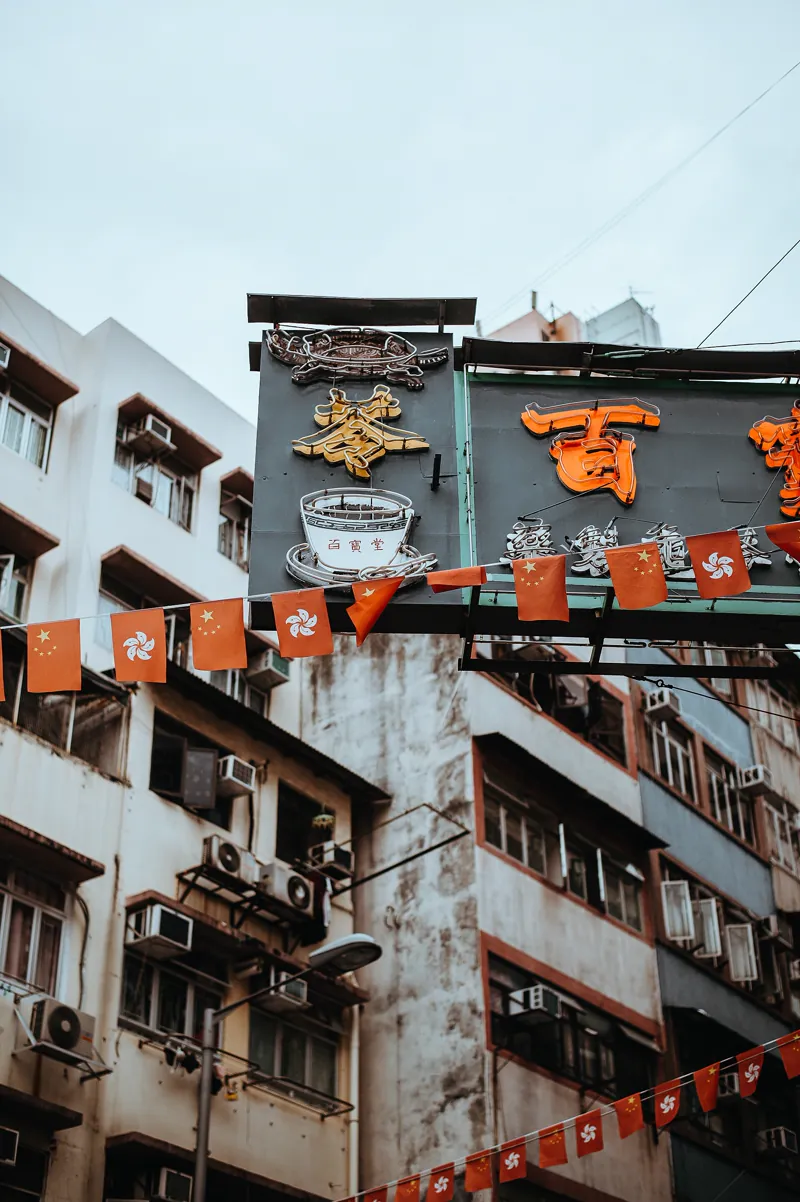
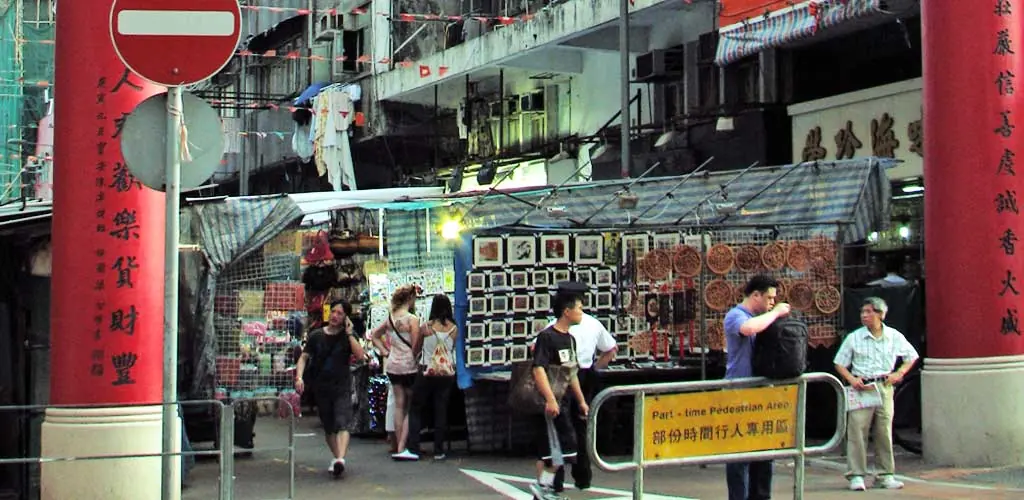
- Crowds: Extremely busy from 7 PM onwards. The pedestrian zone (2 PM - midnight) is in full effect.
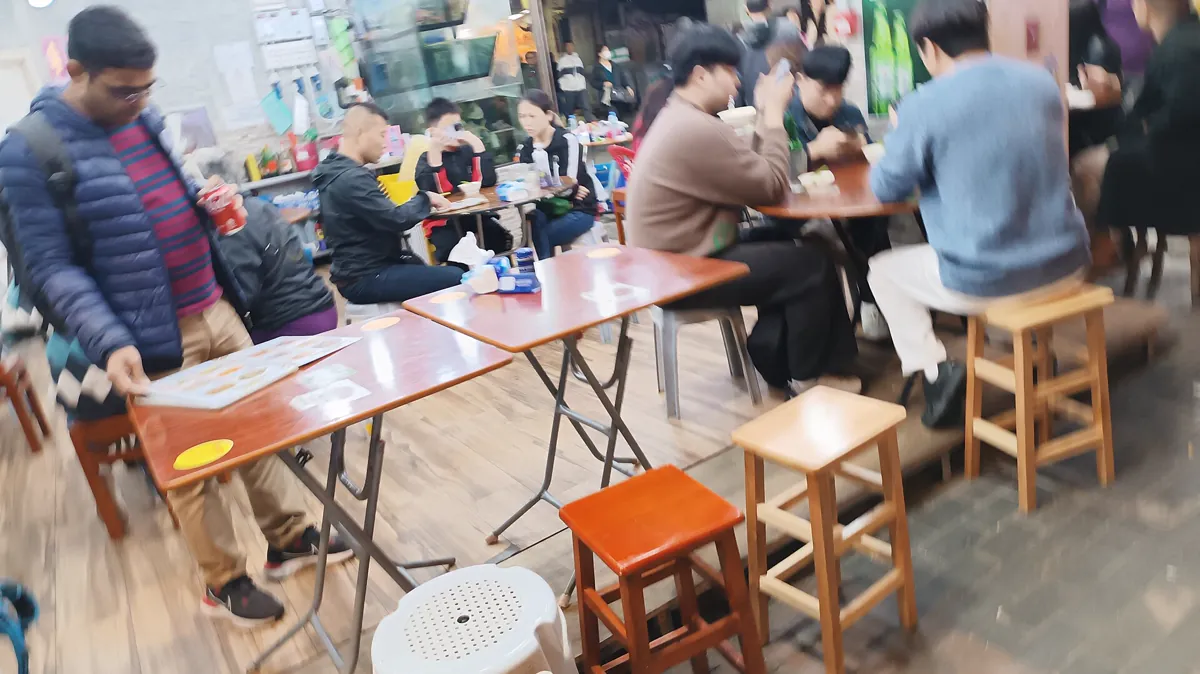
- Food: All dai pai dongs operating at full capacity. Claypot rice, seafood, and skewers are in high demand. Budget HK$80-200 per person for street food.
- Atmosphere: Special red lantern decorations, seasonal food offerings, and enhanced festive energy throughout the market.
- Fortune Telling: One of the busiest nights of the year for fortune tellers — many people seek new year predictions for the Year of the Fire Goat.
- Cantonese Opera: Impromptu performances near Tin Hau Temple are more frequent during festive periods.
CNY Day 1 (6 February) — Quiet but Open
Contrary to most Hong Kong markets which close completely on CNY Day 1, Temple Street Night Market remains partially open. Many food stalls and some merchandise vendors operate, though at reduced numbers. This is a good opportunity for a quieter visit with fewer crowds, but expect limited selection and some of the specialist stalls (electronics, antiques) to be closed.
Pro Tip: The TST International Chinese New Year Night Parade takes place on the evening of CNY Day 1 — Saturday 6 February 2027 (confirmed by HKTB). Temple Street is approximately a 20-minute walk from the parade route along Nathan Road — consider having dinner at Temple Street before heading to TST for the parade.
Post-CNY Period (7-9 February) — Building Back Up
From CNY Day 2 onwards, Temple Street returns to near-normal operations as families finish their holiday celebrations and vendors reopen. This period offers an excellent balance of festive atmosphere and full vendor availability. Fortune telling remains particularly popular as visitors and locals alike seek predictions for the new year.
What to Eat During CNY 2027
Temple Street's food stalls and dai pai dongs are the main draw during Chinese New Year. The market's covered food section near the Jordan Road entrance is particularly active during the holiday. Seasonal specialties include:
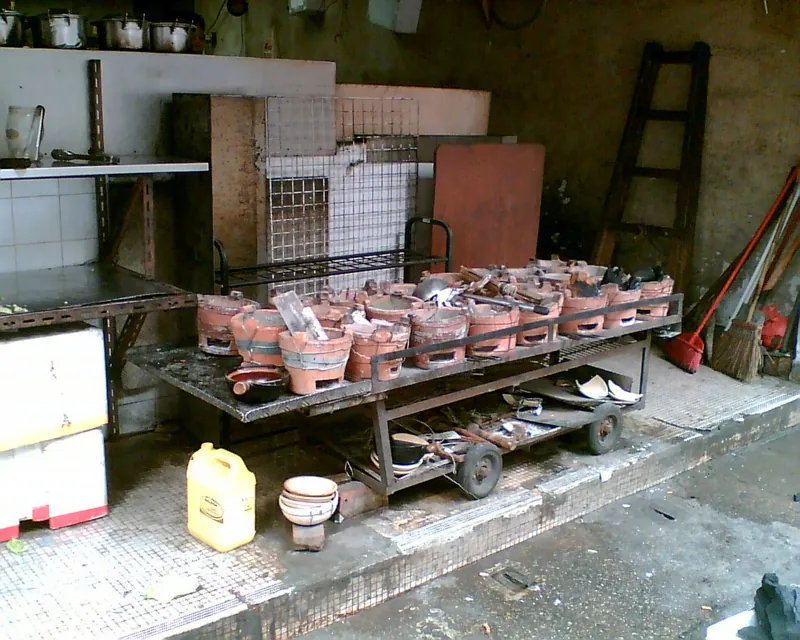
🍜 CNY Food Recommendations at Temple Street
- Claypot Rice (煲仔飯): Temple Street's signature dish. HK$50-80 per serving. Several legendary stalls near the Kansu Street entrance.
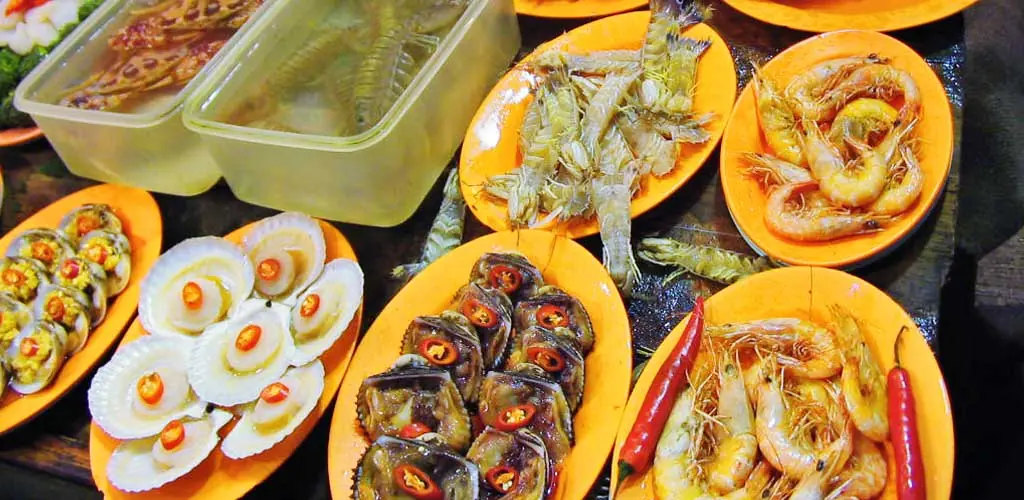
- Seafood: Grilled scallops, squid, and prawns — popular festive fare. HK$30-80 per portion.
- Fish Balls & Siu Mai: Classic Hong Kong street snacks.
- Spicy Skewers: A newer addition to Temple Street's food scene.
- Seasonal Snacks: Traditional New Year treats like turnip cake and sesame balls appear during the festive period.
- Turkish Lamb: Temple Street's famous Turkish kebab stalls operate throughout the holiday.
Fortune Telling Peak Season
Chinese New Year is the busiest period of the year for Temple Street's fortune tellers. The tradition of seeking predictions for the new year draws both locals and tourists. Temple Street offers several fortune telling traditions:
- Palm Reading (睇手相): HK$100-300 per reading (typically HK$100-200) — indicative; agree the price before you start. Most popular during CNY for year-ahead predictions.
- Face Reading (面相): HK$100-300 per reading (typically HK$100-200) — indicative; agree the price before you start. Particularly relevant in Fire Goat year for relationships and family harmony.
- Bird Fortune Telling: A traditional method where a bird selects a fortune card — a shorter card-selection reading, and prices vary widely, so ask before you sit down. A uniquely Hong Kong experience.
- Tarot Cards: Prices vary — ask and agree before the reading starts. Popular with younger visitors and international tourists.
Fortune tellers typically set up near the Tin Hau Temple end of the market and operate from early evening until late. During CNY week, expect queues at the most popular readers.
Getting to Temple Street During CNY 2027
Temple Street is a public street market: there is no ticket, no gate and no booking, and entry is free. The market occupies Temple Street between Jordan Road and Kansu Street in Yau Ma Tei, and the street is closed to cars every day from 2 PM until midnight, so it is already pedestrianised for the hours you will actually be eating and browsing. Two MTR stations serve it.
By MTR
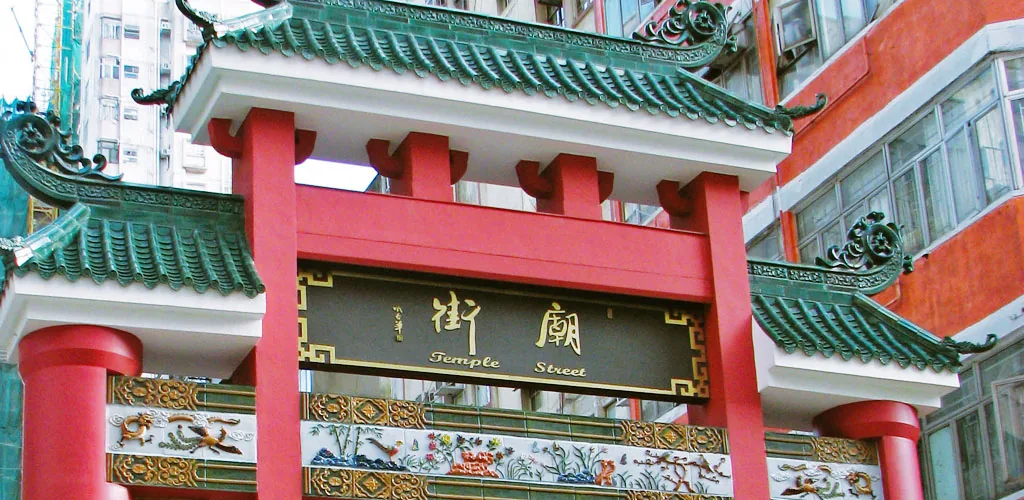
- Jordan Station (Tsuen Wan Line), Exit A — the closest exit to the market, and the best entry point if you are coming from Tsim Sha Tsui or Hong Kong Island. You come up on Jordan Road near Nathan Road; turn right and walk about three blocks west along Jordan Road until you reach the market's entrance at the large red Chinese gateway. Note that this exit is a stair exit, so check the station map first if you need step-free access.
- Yau Ma Tei Station (Tsuen Wan and Kwun Tong Lines), Exit C — about a 5-minute walk to the north end of the market, which is the better entry if you want to start at the fortune tellers' and opera end and eat your way south.
Both stations are on the Tsuen Wan Line, one stop apart, so either entrance puts you in the market within a few minutes of leaving the platform.
Getting home after a late CNY session
CNY evenings run late and the transport thins out after midnight. The last MTR train leaves nearby Jordan Station at 00:52, buses such as route 112 run until about 00:30, and the N122 night bus runs through the night. Red urban taxis charge a HK$29 flagfall for the first 2 kilometres (Transport Department tariff, unchanged since July 2024), with tunnel tolls added on a cross-harbour trip — the simplest option if you have eaten your way to midnight.
Managing the Crowds During CNY Week
Chinese New Year is the busiest week of Temple Street's year, but the crowds are not spread evenly across it. This is how the holiday period runs in practice, and what it means for the evening you choose.
📅 Temple Street CNY 2027 — Crowd Expectations
| Window | Crowd Level | What It Means for You |
|---|---|---|
| Pre-CNY (31 Jan - 4 Feb) | Normal to busy | The full stall line-up and the widest food choice of the whole period. Best week for a first visit. |
| CNY Eve (Fri 5 Feb) | PEAK — busiest night of the year | Come in early evening if you want to sit down to claypot rice; after 7 PM expect queues at every dai pai dong. |
| CNY Day 1 (Sat 6 Feb) | Lighter crowds, fewer stalls | Individual vendors take the family holiday, so the merchandise rows are thin — but this is the quietest evening of the week to walk the street. |
| Day 2-4 (Sun-Tue 7-9 Feb) | Building back up | Vendors return as the holiday winds down; by 10 February the market is trading on its normal evening pattern again. |
Each stall is run independently, so any individual vendor can close for the holiday without notice. Food and fortune-telling stalls are the most reliable through the week; the merchandise rows are where you notice the gaps.
The daily rhythm
- 2 PM - 4 PM: the road is closed to traffic but most stalls are only setting up. Good light for photographs, poor for eating.
- 4 PM - 6 PM: the food stalls fire up and the street fills. The easiest window to walk the length of the market without being carried along by the crowd.
- 7 PM - 9 PM: peak activity — every stall open, fortune tellers busy, and the queues that go with it.
- After 10 PM: visitor numbers drop, hawkers begin packing up between 11 PM and midnight, and the food kiosks and fortune tellers are the last to close. See our closing time and opening hours pages for the day-to-day detail.
CNY week practicalities
- Budget per person: around HK$80-200 for a full street-food dinner. Typical stall prices are HK$50-80 for claypot rice and HK$80-200 for a seafood plate. These are indicative figures only — the stalls are independent businesses and there is no official price list. For the stall-by-stall version see our 2027 Temple Street food guide.
- Cash: small food stalls still prefer cash, and smaller notes clear the queue faster. Octopus and QR payments are increasingly accepted, but do not rely on them at a one-wok stall on CNY Eve.
- Seafood: if a price is not displayed, ask before you order — market pricing applies and the festive week is when it matters most.
- Fortune tellers: CNY is peak season for readings, and the best-known readers queue. Agree the price before the reading starts; our fortune telling guide lists the reading styles and the prices each type typically commands.
- What stays open: the food stalls, dai pai dongs and fortune tellers trade right through the holiday, including Day 1. The merchandise, electronics and souvenir rows are where you will see the closures.
Nearby CNY Events
Temple Street's location in Yau Ma Tei/Jordan makes it an excellent base for experiencing the city-wide CNY celebrations. In addition to the night market itself, nearby events include:
🗺️ Complete Your CNY 2027 Evening
TST International CNY Night Parade (6 Feb): The annual parade along Nathan Road in Tsim Sha Tsui typically starts at 8 PM on CNY evening. From Temple Street, it's a 20-minute walk south via Nathan Road or a short MTR ride from Jordan Station to Tsim Sha Tsui Station.
Victoria Harbour Fireworks (expected Sun 7 Feb): the CNY Day 2 fireworks over Victoria Harbour, the traditional second-night display. Best viewed from the Tsim Sha Tsui waterfront, a 25-minute walk from Temple Street. The 2027 display has not yet been announced — check HKTB nearer the date. The TST promenade fills up early — arrive by 6 PM for a good position.
The 2027 parade date is confirmed: Saturday 6 February 2027. The 2027 fireworks display has not yet been announced — the display is traditionally held on the second night of Chinese New Year, which in 2027 falls on Sunday 7 February; check HKTB nearer the date.
Mong Kok Market Crawl Connection
Temple Street is the final stop on the ultimate Mong Kok CNY 2027 market crawl. The full-day itinerary takes you through six iconic markets, all within walking distance:
- Morning (7-8:30 AM): Bird Garden — traditional songbird culture
- Late Morning (8:30-10 AM): Flower Market — lucky plants and flowers
- Mid-Day (10-11:30 AM): Goldfish Market — prosperity fish for feng shui
- Afternoon (1-3 PM): Ladies Market — new year clothing and accessories
- Late afternoon (3-4 PM): Sneaker Street (Fa Yuen Street) — the trainer and sports-shoe street sits between the Ladies Market and the Flower Market, so it fits the same walk
- Evening (6-9 PM): Temple Street Night Market — dinner and fortune telling
Total walking distance: approximately 2 km. Allow 6-8 hours for the full experience.
🧧 Gong Hei Fat Choy!
Temple Street Night Market during Chinese New Year 2027 offers a unique opportunity to experience Hong Kong's most atmospheric market at its most festive. Whether you're seeking a claypot rice dinner on CNY Eve, a fortune telling session for the Fire Goat year, or a post-fireworks supper, Temple Street remains open and welcoming throughout the holiday period. Bring your appetite, your curiosity, and your warmest New Year wishes!
